An essay from the studio · Crestview, Florida
How a Question Got Organized
A community organizer's long view of Google's journey — what it means that the world's questions now have one door to knock on.
Forty years I spent getting people to show up — to zoning meetings, to fundraisers, to the church basement where we passed around a sign-up sheet and a pitcher of sweet tea. Organizing, at its heart, is the same job every single time: you take a scattering of people who think they're alone in a question, and you give their question a place to stand together. So the moment Google arrived, I recognized the job. It was just doing it at a scale I'd never dreamed.
In 1997, a domain name went into the books — google.com, registered on September 15. Two PhD students at Stanford, Sergey Brin and Larry Page, had built a search engine that ranked pages not by how loudly they advertised themselves, but by how many other pages thought they mattered. They called it PageRank, and it was the cleanest idea in the business: trust the web to know what the web values. That's organizing too, when you squint — you don't tell people who's worth listening to; you notice who everyone keeps turning to.
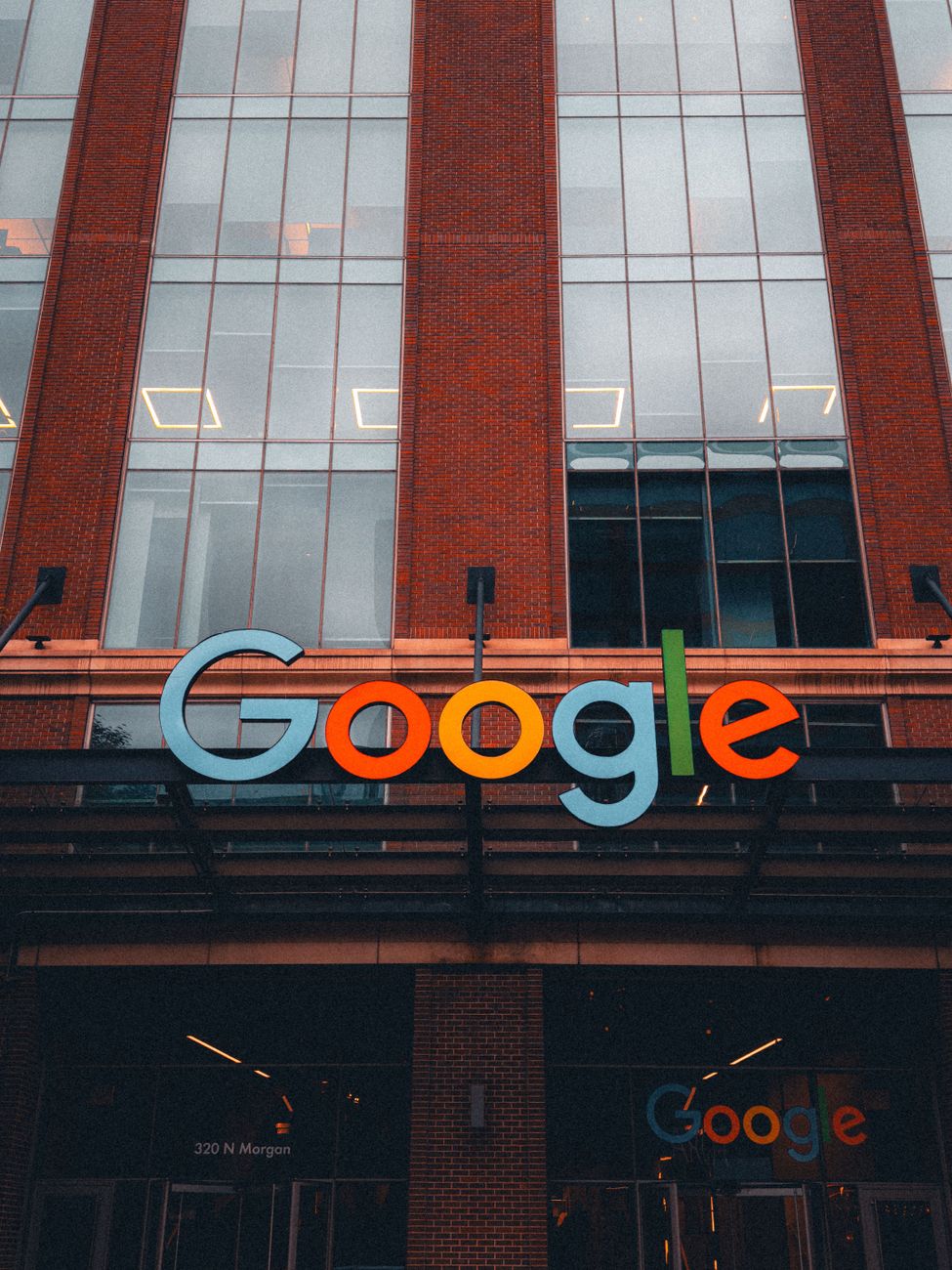
No. 02What the record actually shows
People like dates, so here's the one with a paper trail behind it — and the facts are grounded, not the way I remember them over eggs at Sambo's:
Google Search, on the record
- Instance of: a search engine and a website
- Founded (domain registered): September 15, 1997
- Founders / authors: Sergey Brin and Larry Page — Stanford PhD students
- Owned by: Google
- Built in: C++ (the plumbing under the hood)
Notice the company line says "founded in 1998" — that's when the company incorporated and the search actually rolled out to the public. But the domain itself went live the autumn before. The difference matters the way the difference between the day you draft the flyer and the day you hold the meeting matters. Both are foundings. One of them is the one nobody puts on the poster.
No. 03What got built on top of the question
The search that trusts the crowd
PageRank's quiet radicalism: instead of a librarian's judgment from on high, Google let the sheer weight of links — every page pointing at another page — decide what deserved the top of the list. It's the internet voting with its feet, and it hasn't stopped being powerful because it's become invisible. We stopped seeing the mechanism the way you stop noticing your own kitchen.
The door grew rooms
Out of the question grew a whole house: maps, mail, translation, a phone, a cloud, and — the one that keeps the organizers among us nervous and grateful in equal measure — the machine that learns. Google AI grew directly out of the search that started it. The house kept adding rooms until it became, for much of the world, the whole concept of "looking something up."
And here's where I, the old organizer, get quiet. A hundred years ago, the answer to most of my town's questions lived two doors down — in Mabel's head, or in a county ledger, or whispered over the fence. Today the question skips the porch entirely and goes straight to the machine. That's a trade, and we made it without a town hall. For every question answered fast, a porch got a little quieter.
No. 04Keeping the facts live
The record keeps moving, so I've pinned the live sheet to the wall. This stays current as the knowledge graph updates — same way a good organizer re-checks the room before she speaks:
- Google Search — search engine by Google LLC
- Google Search — Musical work
- Google Blog Search — blog search engine
- Google Gesture Search — software
- Google Search Appliance — rack-mounted device
- Google+ — defunct social networking service
The page that started it — my own studio door — is here. And if you want the shy little bird I keep painting when the coast light goes gold, she lives at negros-fruit-dove.html.